After 11 years of producing high-stakes corporate events across Sydney—from government summits at the ICC to intimate product launches in The Rocks—I’ve learned one immutable truth: the best gear in the world is useless if the final output doesn't feel like *your* company.
I’ve seen too many brilliant events let down by photos that looked like they belonged to a local wedding, or highlight reels that missed the core messaging of a keynote. When you are managing stakeholder approvals under a tight deadline, you don’t have time for "creative interpretation" that misses the mark. You need a partner who understands that event photography and video services are not just about capturing moments; they are about capturing your brand identity.
Here is my professional blueprint for ensuring your media stays laser-focused on your brand brief.
1. The Foundation: Defining the "Must-Have Shots"
Before a single shutter clicks, we need to have a conversation about the "Must-Have Shots." I always keep a running checklist, and I suggest you do the same. Never leave this to chance. If the CEO needs to be seen shaking hands with a keynote speaker, that is a mission-critical objective.
A successful brand brief should categorize your requirements. Here is how I structure my internal documentation:
Shot Category Stakeholder Priority Technical Requirement VIP Interaction High Candid, well-lit Keynote Reaction High Tight crop, focus on emotion Atmosphere/B-Roll Medium Wide shots, depth of field Formal Group Photos High Group management, stagingWhy "Reference Images" Matter
Don't just write "professional photos" in your brief. Provide a mood board. Show the photographer photos from your previous events or competitor branding that hit the mark. I always ask: "Do you want a documentary style, or a high-contrast editorial look?" Clarity here saves you hours of post-production headaches.
2. Avoiding the "Offshore" Trap: Why Chain of Control Matters
One of my biggest pet peeves in this industry is the "black box" editing process. Many agencies will promise low costs by offshoring their editing to third-party providers. In my 11 years of managing government and corporate initiatives, this is a massive red neonmarketplace.nsw.gov.au flag. When your files leave your country—or worse, are handled by an anonymous service provider—your chain of control is broken.
In-house editing and privacy are non-negotiable for sensitive corporate events. When you use local Sydney corporate photography services, you ensure that:
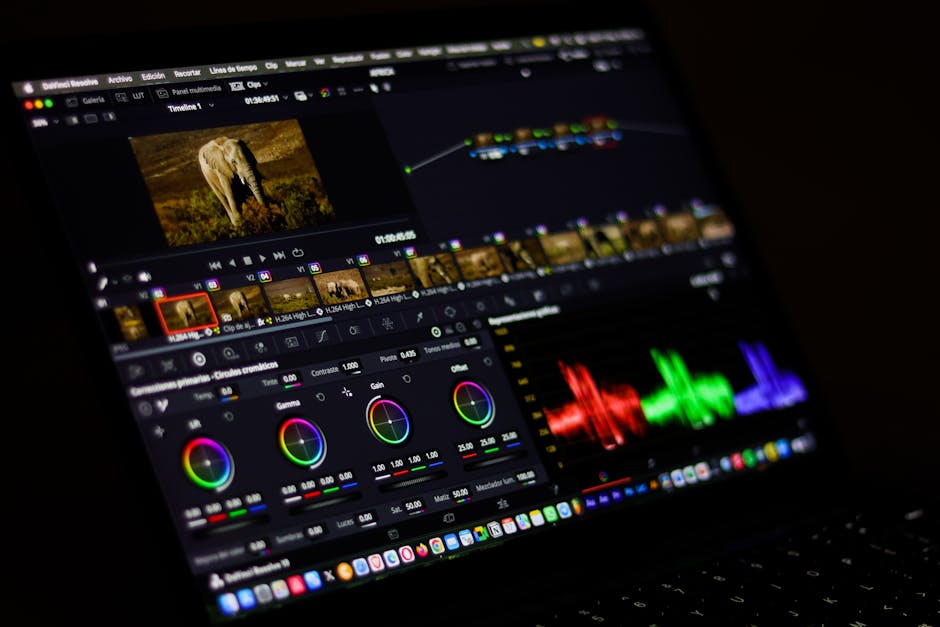
- Your brand color profiles (LUTs and presets) are applied consistently. There is a clear point of contact if a crop needs adjusting. Your data security and privacy protocols (especially for government clients) are maintained.
Always ask your vendor: "Who is editing these files, and where are they stored?" If they can’t give you a straight answer, move on.
3. The Integrated Approach: Hybrid Photo and Video
Depending on the scope of your event, a hybrid photo and video approach is often the smartest way to maintain brand consistency. By utilizing a team that works together—rather than hiring a disconnected photography team and a separate videography team—you ensure that the "look and feel" of your highlight reels perfectly matches your stills.
I always label everything by venue and session time. This rigorous organization prevents the "Where is that keynote reaction shot?" scramble that happens at 5:00 PM on a Friday. When video and photo are synchronized, your brand identity remains cohesive across your social channels, internal newsletters, and annual reports.
4. Managing the "Vague Turnaround"
I cannot stand vague promises like "we’ll get them to you soon." In corporate events, "soon" isn't a timeline; it’s a failure. You need a concrete delivery schedule that aligns with your PR and social media launch plans.
The Sydney Producer’s Checklist for Deliverables:
The "Hero" Batch (within 4 hours): 5-10 shots for immediate social media or press release use. The Full Gallery (within 48 hours): Curated and color-corrected. Highlight Reel (within 5 business days): Edited to your brand music and pacing requirements.5. Final Advice: Focus on Outcomes, Not Gear
Photographers often love to talk about the latest lenses or high-frame-rate cameras. While technical proficiency is important, it’s not what makes an event success. I would take a photographer with a mid-range camera who understands the flow of a keynote and knows how to position themselves for a reaction shot over a photographer with $50k of gear who misses the brand messaging.
Summary of Best Practices
To ensure your event media is an asset rather than a liability, remember these three rules:
- Control the process: Insist on local, in-house editing and clear data storage protocols. Communicate the brief: Use reference images and clear, categorized shot lists. Stay integrated: Use a hybrid approach where photo and video teams share the same brand vision and technical requirements.
At the end of the day, you are the brand guardian. Don't be afraid to ask the hard questions about where your files are going and who is shaping your brand's narrative. After 11 years in this business, I can tell you: it’s the attention to these small details that separates a "photoshopped event" from a brand-aligned powerhouse.