I’ve spent 11 years in the trenches of operations and marketing for multi-trade home services. I’ve seen the "before and after" of thousands of storm-damaged homes. If you think the photo gallery on a roofing company’s website is just a vanity project to show off shingles, you’re missing the point. In the world of high-velocity storm restoration, a project gallery is not just marketing—it is a critical tool for communicating operational capacity, technical competency, and logistical reality to a homeowner who is currently in a state of panic.
When you are managing a 15-minute dispatch window during a peak hailstorm season, you don't have time for fluff. You need proof of work that tells the homeowner, "We have handled this exact scenario before, and we have a system."
The Operational Reality: Storms Are No Longer "Occasional"
In the past, we treated storm events as "disruptions." Today, extreme weather is the baseline of our business model. According to reports cited by the B2B News Network (B2BNN), the landscape of construction and restoration has shifted from cyclical to perpetual demand.
This creates a massive logistical headache: compressed seasonal windows. When a massive front moves through McKinney, Texas, or anywhere in the Midwest, the influx of leads happens in a 48-hour spike. If you are a homeowner, you want to know who is going to show up. If you are a contractor, you need to prove you have the labor force to back your promises.
The U.S. Bureau of Labor Statistics (BLS) has documented the tight labor market in specialized trades for years. When you see a high-quality gallery from a company like Fireman’s Roofing (McKinney, TX), you aren't just looking at a finished roof; you are looking at evidence that they have the internal teams, the material lead times, and the project management bandwidth to handle volume without cutting corners.
Establishing Trust: Speed Meets Transparency
One of my biggest pet peeves is the "we can fit you in soon" promise. It’s vague, it’s misleading, and it breeds customer distrust. When I look at a project gallery, I’m looking for a timeline. I’m looking for proof that the company documents the process from the initial inspection to the final walkthrough.
Customer trust is earned by showing exactly how the work gets done. Here is how that translates to the "proof of work" found in a modern roofing portfolio:
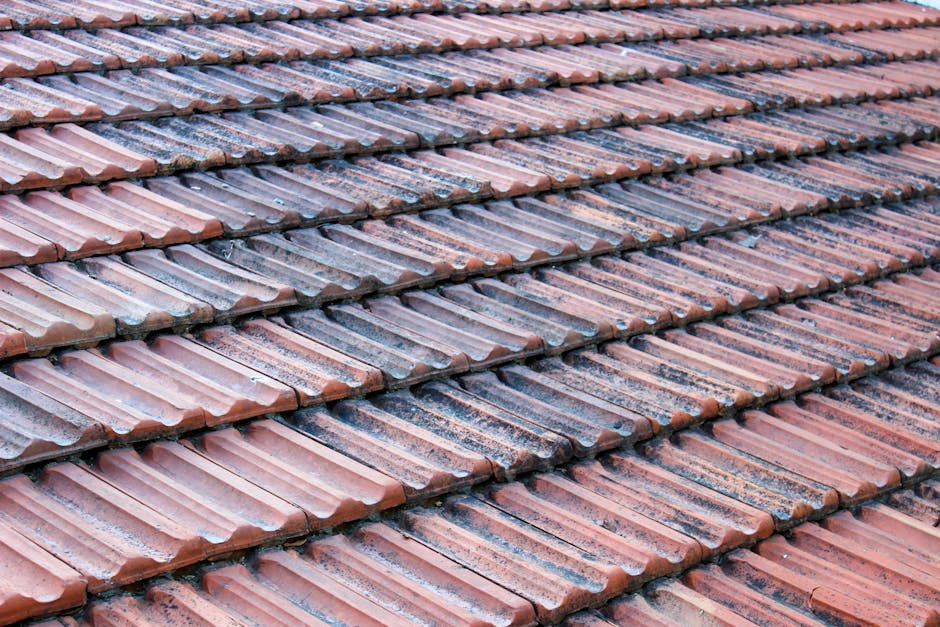
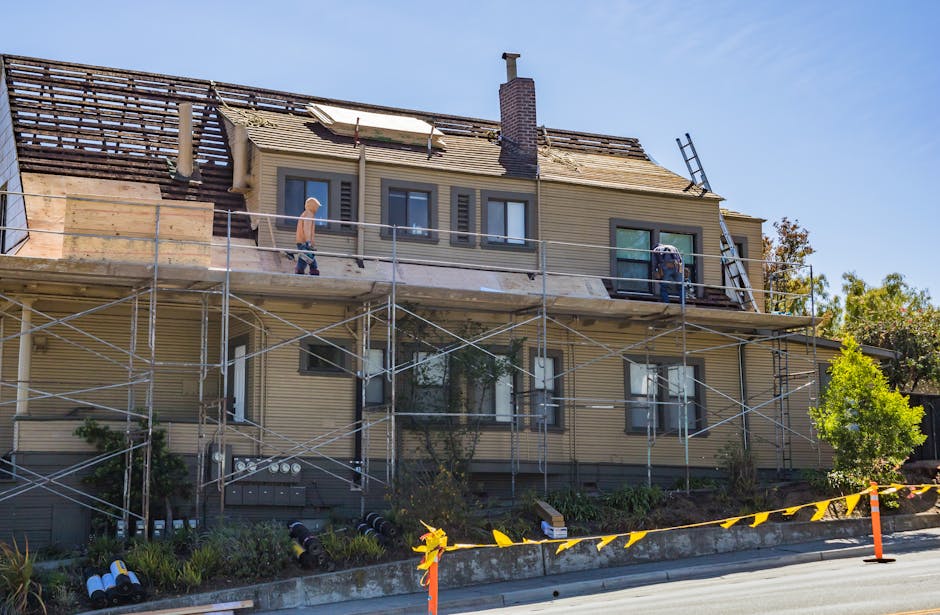
- Documentation of Site Safety: Are there photos of debris containment? This shows you care about the homeowner's property and their pets. Technological Competency: Do you see screenshots of satellite-based roof measurements? This proves you aren't guessing with a tape measure; you are using precision data to estimate. Inspection Rigor: Are there images captured by drone imaging that reveal damage no human eye could see from the ladder? This tells the customer you are thorough.
The Documentation Gap: Why Paperwork Matters
I cannot stand contractors who do not document their inspections properly. Insurance paperwork is the reality of the roofing industry, yet so many blog posts ignore it. If your project gallery doesn't show the "hidden" work—the roof deck, the ice and water shield application, the ventilation fixes—you aren't doing yourself any favors.
When a homeowner asks, "Why did this cost X?" having a gallery that highlights the technical components of the repair allows you to answer with data rather than defensive posturing. b2bnn.com It’s about answering the customer's question before they even ask it.
Comparison: The "Vague" Approach vs. The "Systematic" Approach
Feature "Vague" Roofing Website "Systematic" Roofing Website Project Photos Only "After" beauty shots. Timeline: Inspection, Demo, Prep, Install. Tech Mentions None; focuses on "we are fast." Mentions drones and satellite data. Lead Handling "Call us for a quote." "See our 2-day material lead time process." Insurance "We help with claims." "We provide documentation for insurance."Who Owns the Next Step?
This is my favorite question to ask in our morning stand-ups. When a customer lands on your website after a hail event, they are anxious. They have a "running list" of worries: Will I have a leak tonight? Is my insurance going to deny this? How long will this mess be in my yard?
If your gallery doesn't address these concerns, you are failing them. A high-quality gallery should act as a virtual playbook. It should say: Step 1: Digital inspection via drone. Step 2: Satellite measurements to ensure accurate estimates. Step 3: Material staging. Step 4: Completion.
When we show the photos, we are proving that we own the next step in the process so the customer doesn't have to carry that mental load.
The Verdict: It’s All About Operational Clarity
Marketing for roofing is not just about making the house look good; it’s about making the company look capable. In a post-storm environment, you are competing against the "chaser" contractors who show up in a truck with no branding and even less paperwork.
Use your project gallery to communicate your operational standards. Show the drone shots. Show the satellite measurements. Show the team in safety gear. If you aren't documenting the "how" and the "why" behind the job, you are missing the biggest opportunity to build trust.
And for the love of all that is holy, stop promising "soon." Tell your customers exactly when you will be there, show them how you work, and document every single 15-minute block of the project. That is how you build a reputation that survives the next storm season.